9 August 2026 · 4 min read
What is Piran famous for?
Piran is famous for three things above all: its salt from the 700-year-old Sečovlje pans, its remarkably preserved Venetian old town, and the composer Giuseppe Tartini, born here in 1692. A town built on white gold and five centuries of Venice.
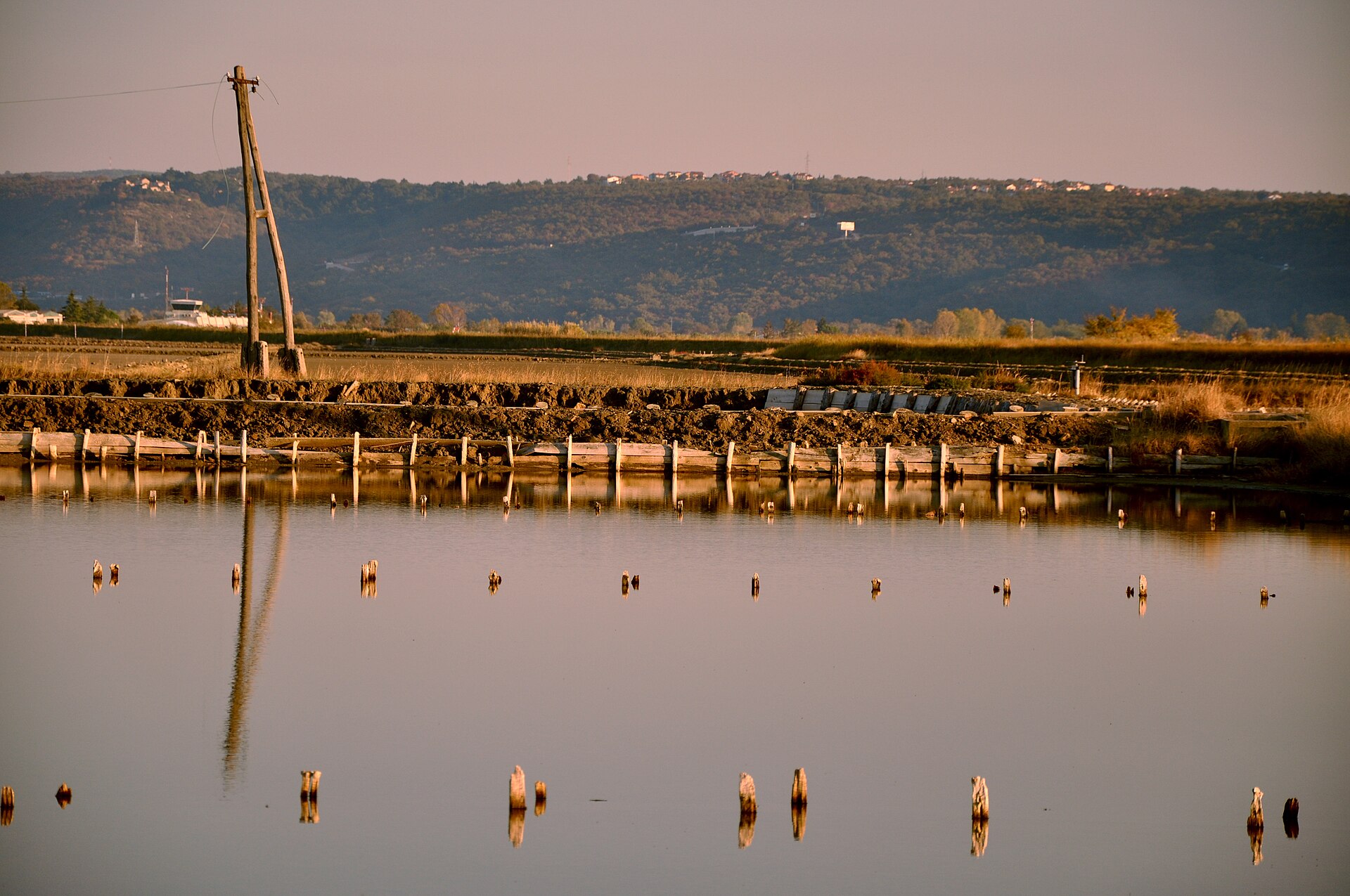
Photo: Ekke / Wikimedia Commons / CC BY 2.0
Piran is famous for three things above all: its salt, its Venetian old town, and the composer Giuseppe Tartini. It is one of the best-preserved medieval towns on the Adriatic, built on the wealth of the nearby Sečovlje salt pans and shaped by five centuries under the Republic of Venice. Here is what the town is known for, and what to look for when you visit, from Nika Horjak Ceramics on Goriška ulica 2.
Piran salt: the town’s white gold
For centuries Piran lived on salt. At the Sečovlje salt pans just south of town, sea salt has been hand-harvested the same way since the 13th century, more than 700 years, and the town grew wealthy on this “white gold”. The prized fleur de sel, the delicate top skim, is still gathered by hand today and makes the town’s most famous edible souvenir; here is how to bring Piran salt home.
A Venetian old town
Piran belonged to the Republic of Venice for around five hundred years, and its old town is one of the finest Venetian Gothic quarters on the Adriatic. On Tartini Square stands the red Venetian House (Benečanka) from the 15th century, famous for the carved motto “Lassa pur dir”, “let them talk”. Above the roofs rises the bell tower of St George’s Church, finished in 1608 as a smaller copy of St Mark’s Campanile in Venice, while the 15th-century town walls still climb the hill behind.
Giuseppe Tartini, Piran’s composer
The town’s main square is named after its most famous son, the violinist and composer Giuseppe Tartini, born in Piran in 1692. The square, a filled-in former harbour, is the marble heart of the town, with Tartini’s statue at its centre.
Seafood, sun, and things made by hand
Piran is also known for its Adriatic seafood and Malvazija wine, its warm climate and long swimming season, and its makers. It has always been a town of craft, and that tradition is still alive: at Nika Horjak Ceramics, everything is thrown by hand on site in glazes named for the salt pans, the sea and the bell tower at first light. You will find the studio at Goriška ulica 2, two minutes from Tartini Square; if you cannot visit in person, the online shop ships worldwide. For more, see the best souvenir from Piran.
Warmly, Nika
Studio · Piran · 9 August 2026
More from the studio
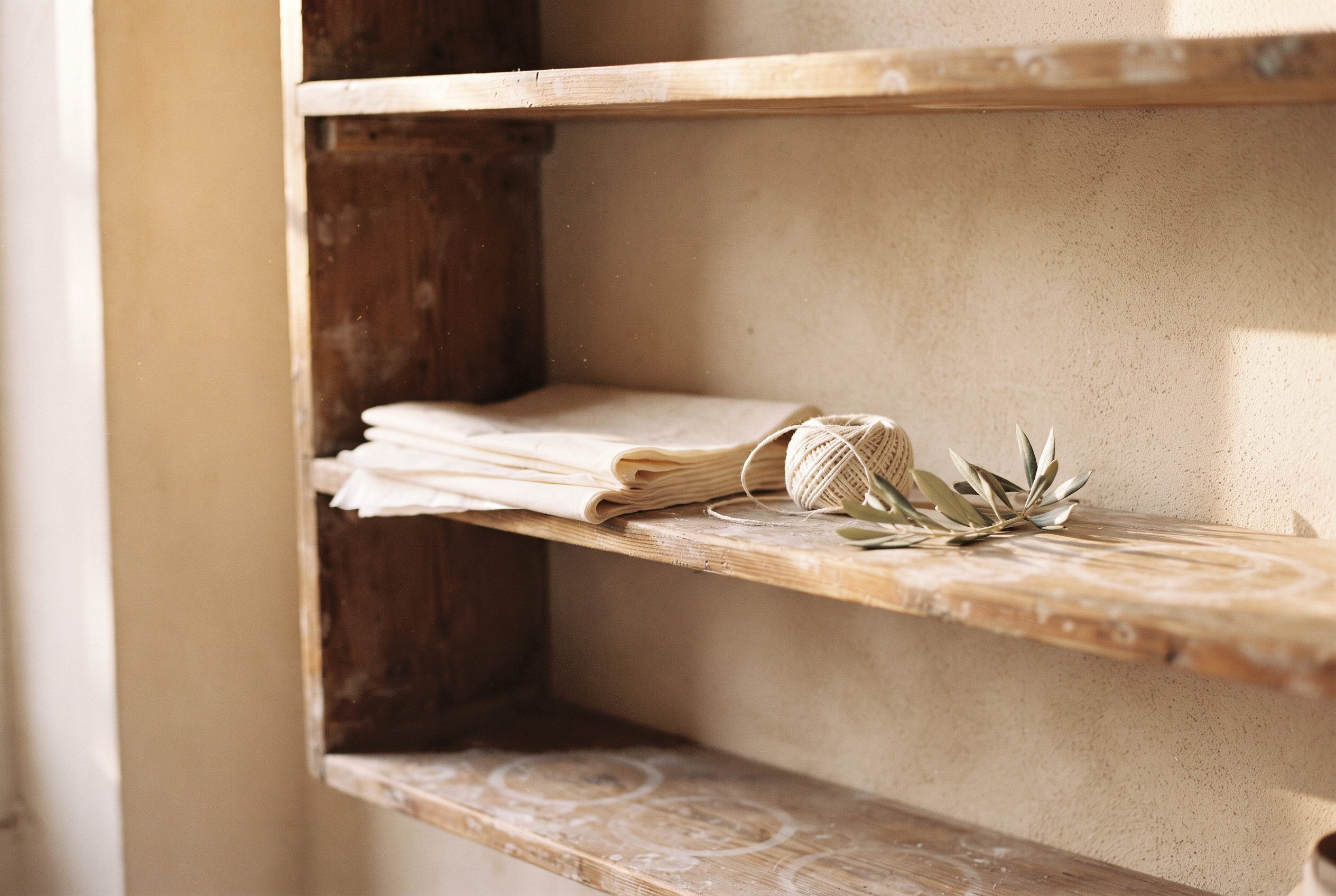
Sold out, down to the last fish
The online collection has sold out, so the website is switching from buying to free reservations for the next kiln batch. What that means, what you can still find on the shelves in the Piran shop, and how to put your name on the pieces you love.
Read →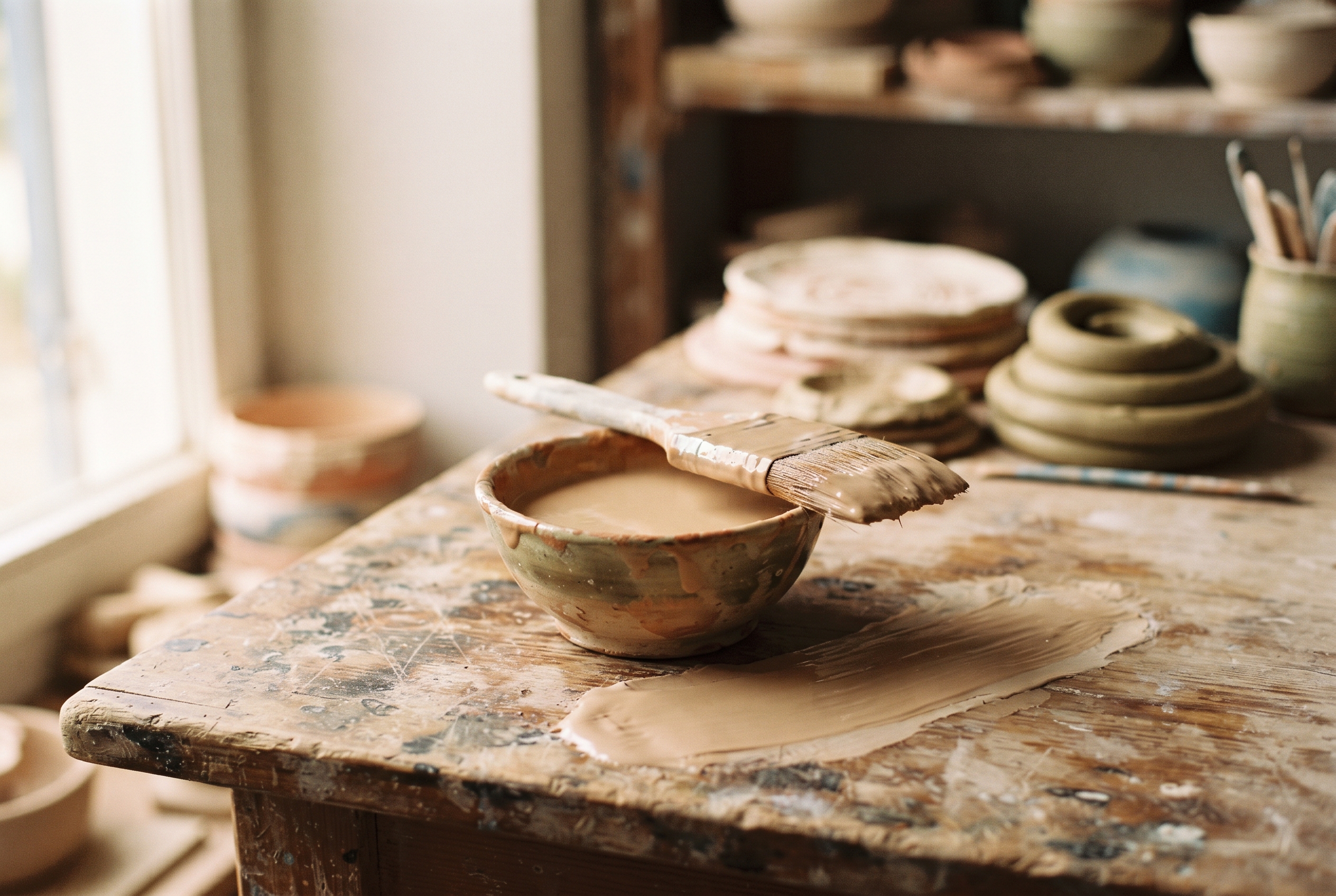
Does clay help with mosquito bites?
A mosquito, a bowl of the “glue” I use to join pieces of clay, and the real reason customers sometimes leave my shop with a smudge of clay on their arm. The pigs, it turns out, were right about mud all along.
Read →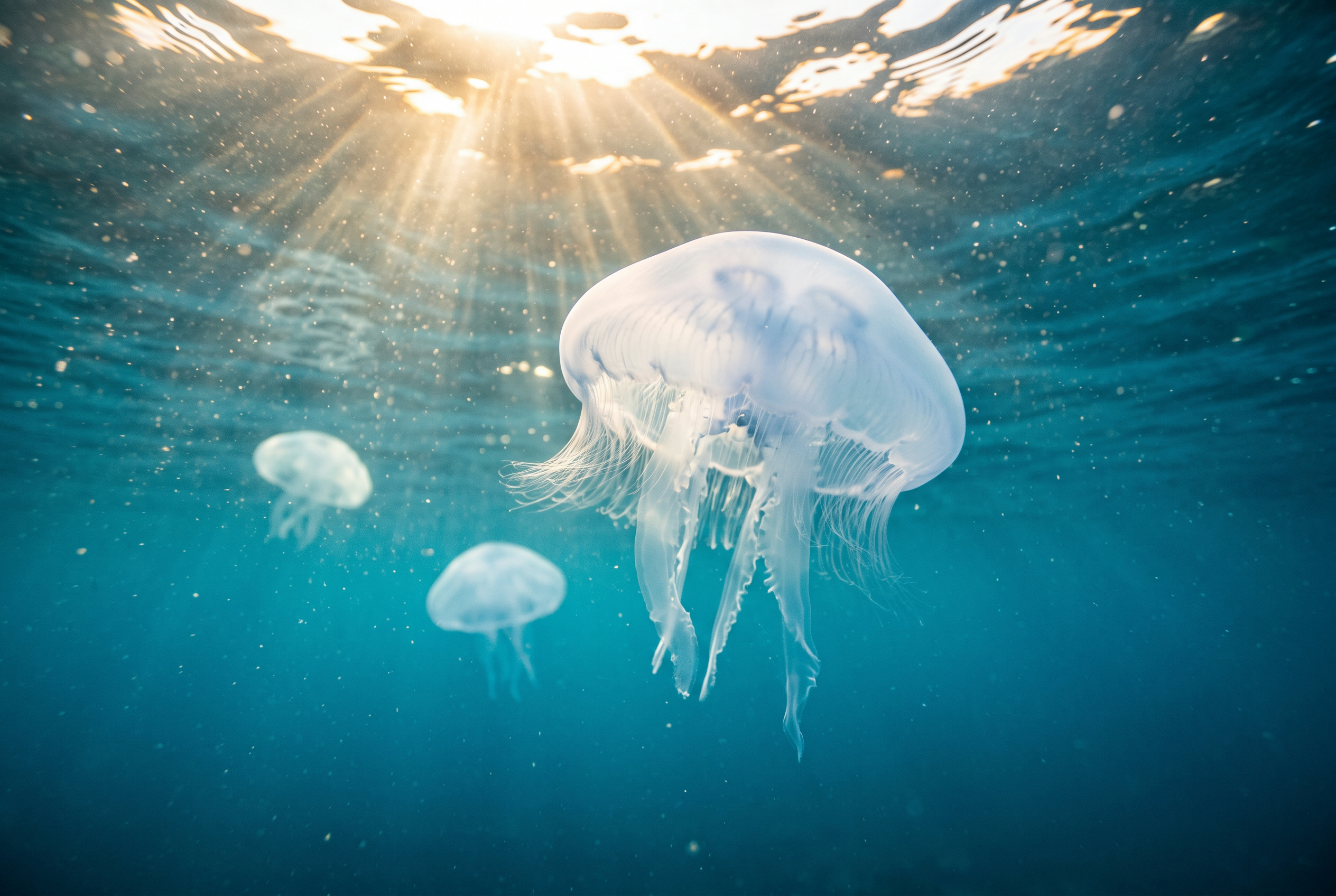
Are there jellyfish in Piran, and do they sting?
Yes, in warm summers jellyfish drift into the bay: the big barrel, fried-egg and moon jellyfish are essentially harmless, the small mauve stinger is the one to watch. And the strange part, a jellyfish day is often the busiest day in the shop.
Read →