12 September 2026 · 4 min read
Does clay help with mosquito bites?
A mosquito, a bowl of the “glue” I use to join pieces of clay, and the real reason customers sometimes leave my shop with a smudge of clay on their arm. The pigs, it turns out, were right about mud all along.
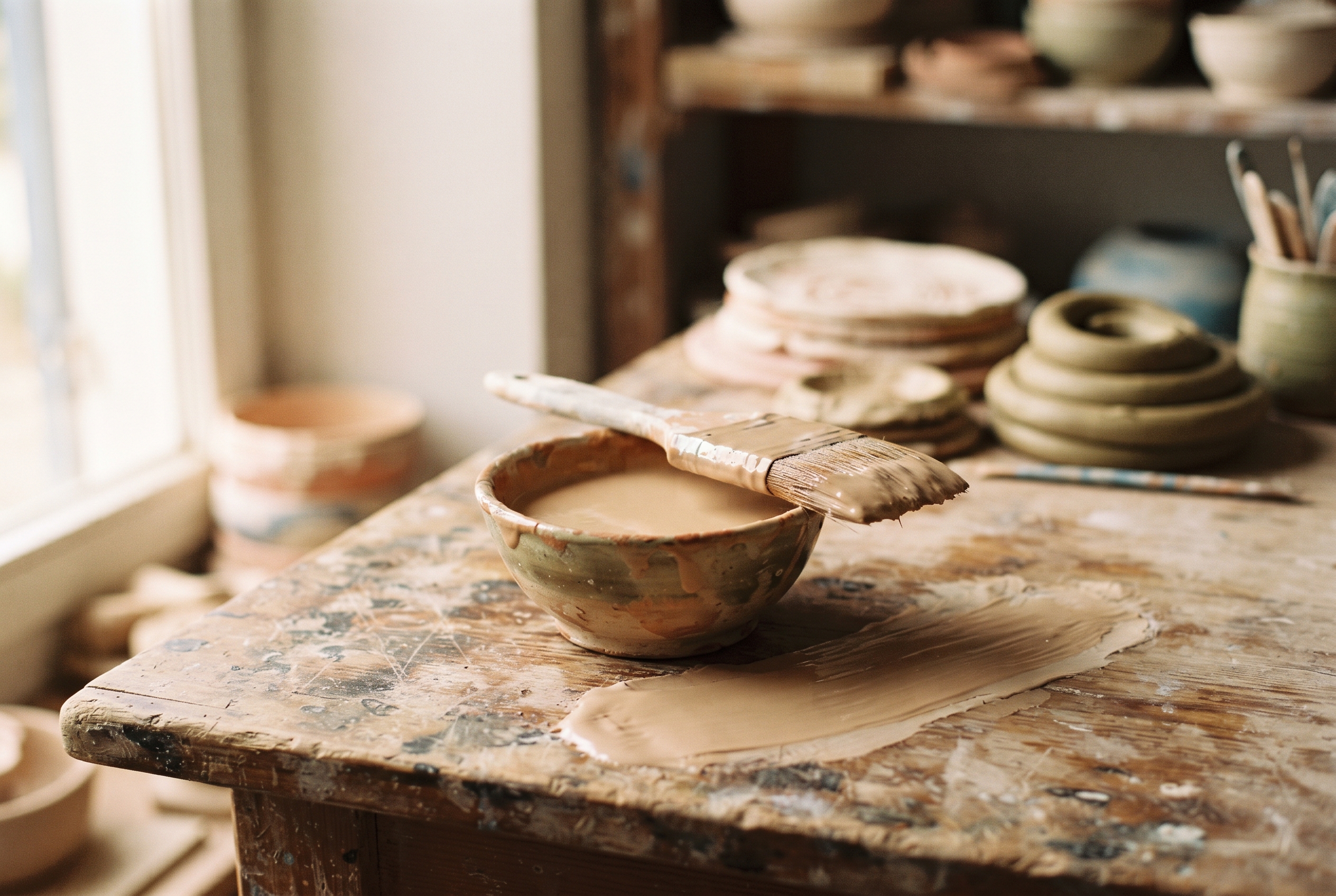
In my experience, yes, at least for the itch. I discovered it by accident, right here at my workbench. A mosquito bit me while my hands were covered in the "glue" every potter keeps on the bench, a creamy mix of clay and water called slip. The itching was driving me mad, so I instinctively dabbed a little slip on the bite, because it simply felt like it would help. And it really did. Since then it has become the unofficial studio remedy at Nika Horjak Ceramics, and it is the true answer to a question I hear all summer: why do you have smudges of dried clay on your arms and legs?
What is the "glue" potters keep on the bench?
Slip is nothing mysterious: it is just clay mixed with water until it is about as thick as yogurt. Potters use it to join two pieces of clay together, a handle to a cup, a foot to a bowl, a sculpted fin to a fish platter. You score both surfaces, brush on the slip, press them together, and the joint becomes one piece in the kiln. If you watch me at work, you will usually see a little bowl of it within arm's reach. Which is exactly why, on the day that mosquito found me, the remedy was already on my hands.
Why would clay calm an itchy bite?
The itch of a mosquito bite is your own skin reacting to the mosquito's saliva: the body releases histamine around the spot, and histamine itches. Cool, wet clay helps in a few simple ways. It cools the skin as the water evaporates, and cooling calms itching. As it dries, it tightens and gently dries out the spot, which is the same idea behind calamine lotion and behind the clay masks people pay good money for: kaolin and bentonite clays have been used on skin for centuries. And a bite you have covered with a crust of dry clay is a bite you cannot scratch open. I will say it plainly: I am a potter, not a doctor, and this is a maker's folk trick, not medical advice. But visitors to the shop keep asking me for a dab when they hear the story, and so far it has helped every single one of them with the itch.
Why do pigs wallow in mud?
Because they are smart. That is my honest conclusion. Pigs can barely sweat, so they coat themselves in cool mud to bring their temperature down, and the drying crust also shields their skin from sunburn and from biting insects. Elephants and water buffalo do the same thing. Animals worked out long before us that a layer of wet earth on the skin is cooling, soothing and protective. I like to think that when I stand at my wheel with clay drying on my arms, I am simply in very good company.
Can you try it if a mosquito finds you in Piran?
Of course. If you are wandering the old town with a fresh bite, come by Nika Horjak Ceramics at Goriška ulica 2, two minutes from Tartini Square, and ask me about the clay. There is usually a bowl of slip within reach, and you can watch a piece take shape while your dab dries. One honest note: if a bite has been scratched open or is swelling badly, it deserves a pharmacist rather than my slip bowl. If it was the sea that got you rather than a mosquito, that calls for a different remedy, which I wrote about in my guide to the jellyfish of Piran. And if you would like to take home something made of clay that you are not meant to smear on your arm, the online shop ships worldwide.
Warmly, Nika
Studio · Piran · 12 September 2026
More from the studio
Sold out, down to the last fish
The online collection has sold out, so the website is switching from buying to free reservations for the next kiln batch. What that means, what you can still find on the shelves in the Piran shop, and how to put your name on the pieces you love.
Read →
Are there jellyfish in Piran, and do they sting?
Yes, in warm summers jellyfish drift into the bay: the big barrel, fried-egg and moon jellyfish are essentially harmless, the small mauve stinger is the one to watch. And the strange part, a jellyfish day is often the busiest day in the shop.
Read →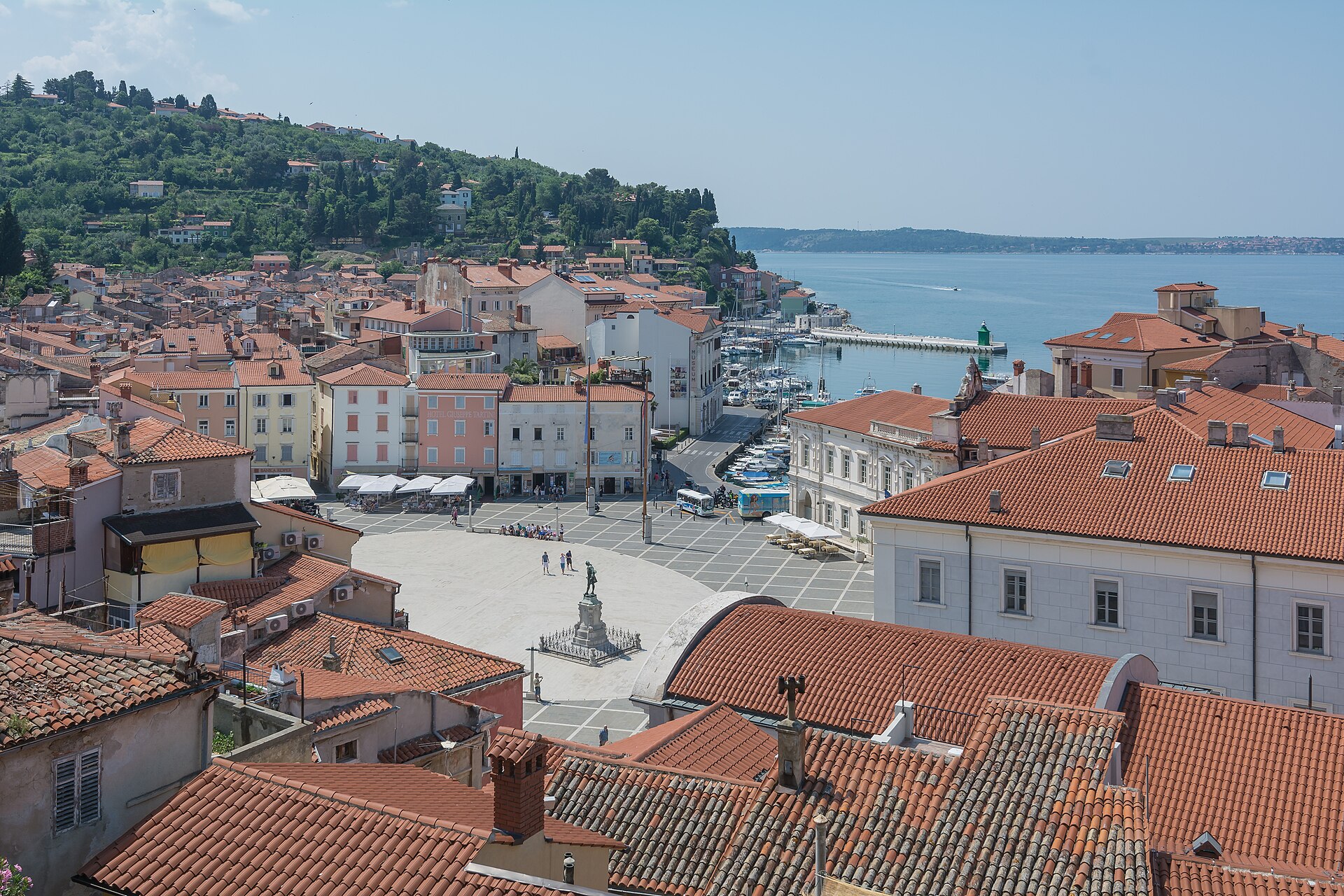
Is Piran worth visiting?
The honest answer, and what to do with it: how Piran compares to the rest of the Adriatic, whether one day is really enough, and the quiet season that may be the loveliest time of all to come.
Read →