14 August 2026 · 5 min read
Are there jellyfish in Piran, and do they sting?
Yes, in warm summers jellyfish drift into the bay: the big barrel, fried-egg and moon jellyfish are essentially harmless, the small mauve stinger is the one to watch. And the strange part, a jellyfish day is often the busiest day in the shop.
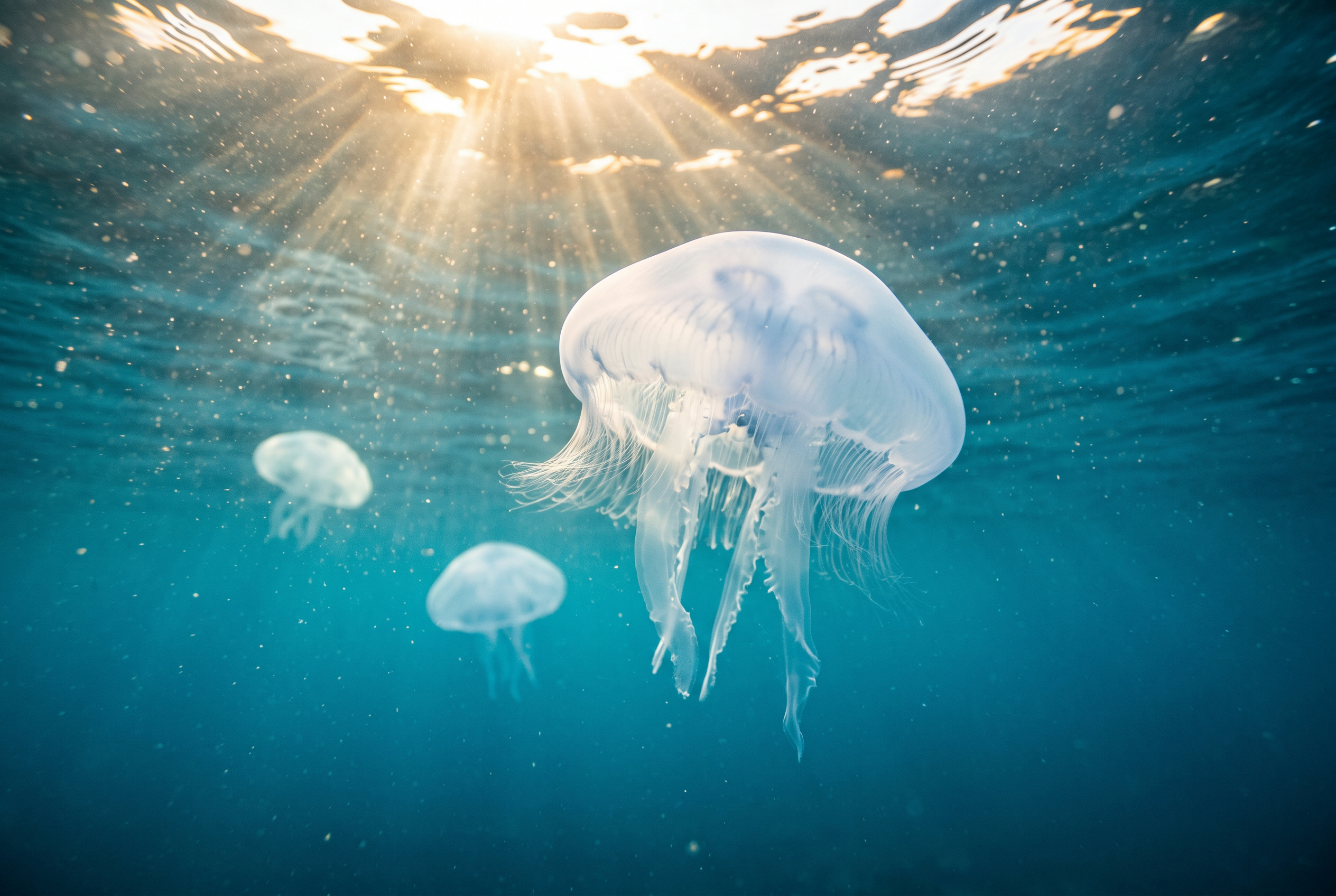
Yes, in warm summers jellyfish do drift into the bay at Piran, usually for a week or two at a time, when the sea is warm and the currents carry them in. The good news is that most of them are the big, gentle kind that barely sting at all; the one to watch is small. And here is the strange part, from a maker who watches the town all day: a jellyfish day is often my busiest day in the shop. When the sea fills with them, people trade swimming for wandering the old town, and they find their way to Nika Horjak Ceramics.
What jellyfish will you see in Piran?
A few kinds visit the northern Adriatic. The big ones you will most often spot are the barrel jellyfish, which can grow more than half a metre across, the fried egg jellyfish, and the moon jellyfish. They look dramatic but are essentially harmless to swimmers. The one to know is the mauve stinger (Pelagia noctiluca): small, pinkish-brown, with long thin tentacles, and it is the one that actually stings.
Do the jellyfish in Piran sting?
Mostly, no. The big barrel, fried egg and moon jellyfish give little more than a faint brush, if anything at all. The mauve stinger is the exception: its sting burns, leaves red welts and can itch for a while. Just today, three visitors walked into the shop and asked me the same question, do these sting? My honest local answer: the big ones are fine to swim near, but if you see a small brownish one with long trailing tentacles, give it plenty of room. If you are ever unsure, do not touch it, rinse a sting with seawater rather than fresh water, and ask a lifeguard. They come and go, so a jellyfish week is usually followed by clear, lovely swimming again.
Why a jellyfish day is my busiest day
This is the part I find funny. On a normal hot day, half of Piran is in the sea and the shop is quiet. But when the jellyfish arrive, people stay out of the water, and a car-free old town is the perfect place to wander instead. They stroll the alleys, step out of the sun, and come inside. More than once, a jellyfish bloom has been the best thing that happened to my week. So if the sea is full of them, take it as a sign to explore the town on foot; our guide to one day in Piran maps a good route for exactly that kind of afternoon.
The other things that change my day
After years behind the counter, you learn to read the town like weather. When the Burja, our cold northeast wind, blows in, or the sky turns cloudy, the shop fills up with people looking for something to do. When it is very hot, it empties, because everyone is either in the sea or hiding under the air conditioning. Events on Tartini Square move the crowds around too: a flea market, a gathering of classic Ferraris a few weeks ago, even the start of a leg of Slovenia's big cycling race last year. Piran has a rhythm, and running a little shop here means dancing with it.
So when should you drop by?
The next time the jellyfish are out, or the Burja is blowing, or the clouds roll in, take it as your cue to come and wander. Nika Horjak Ceramics is at Goriška ulica 2, two minutes from Tartini Square and a few steps up from the marina, where everything is made by hand on the spot. If you would like help choosing, here is the best souvenir from Piran, and if you would rather browse from dry land, the online shop ships worldwide.
Warmly, Nika
Studio · Piran · 14 August 2026
More from the studio
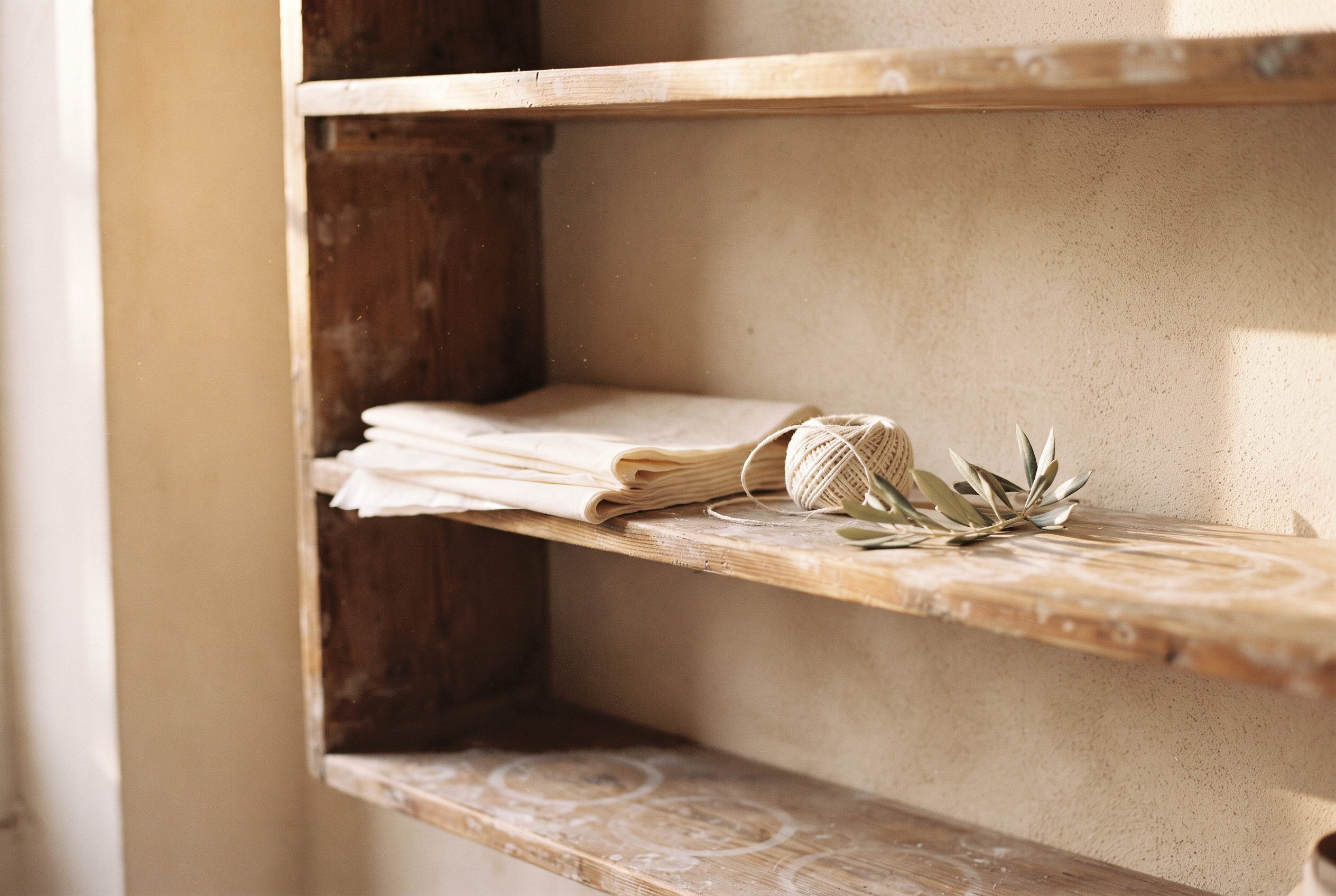
Sold out, down to the last fish
The online collection has sold out, so the website is switching from buying to free reservations for the next kiln batch. What that means, what you can still find on the shelves in the Piran shop, and how to put your name on the pieces you love.
Read →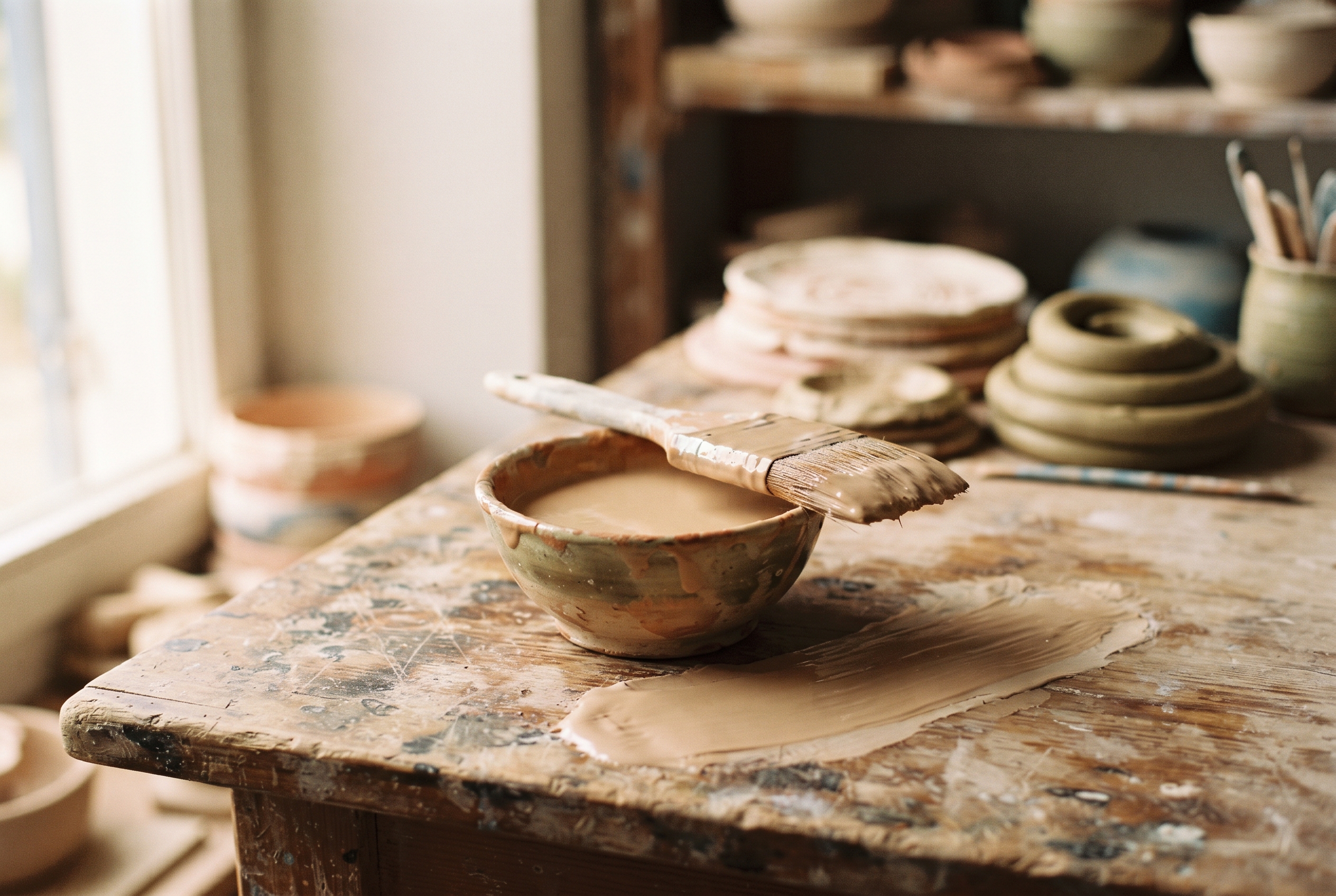
Does clay help with mosquito bites?
A mosquito, a bowl of the “glue” I use to join pieces of clay, and the real reason customers sometimes leave my shop with a smudge of clay on their arm. The pigs, it turns out, were right about mud all along.
Read →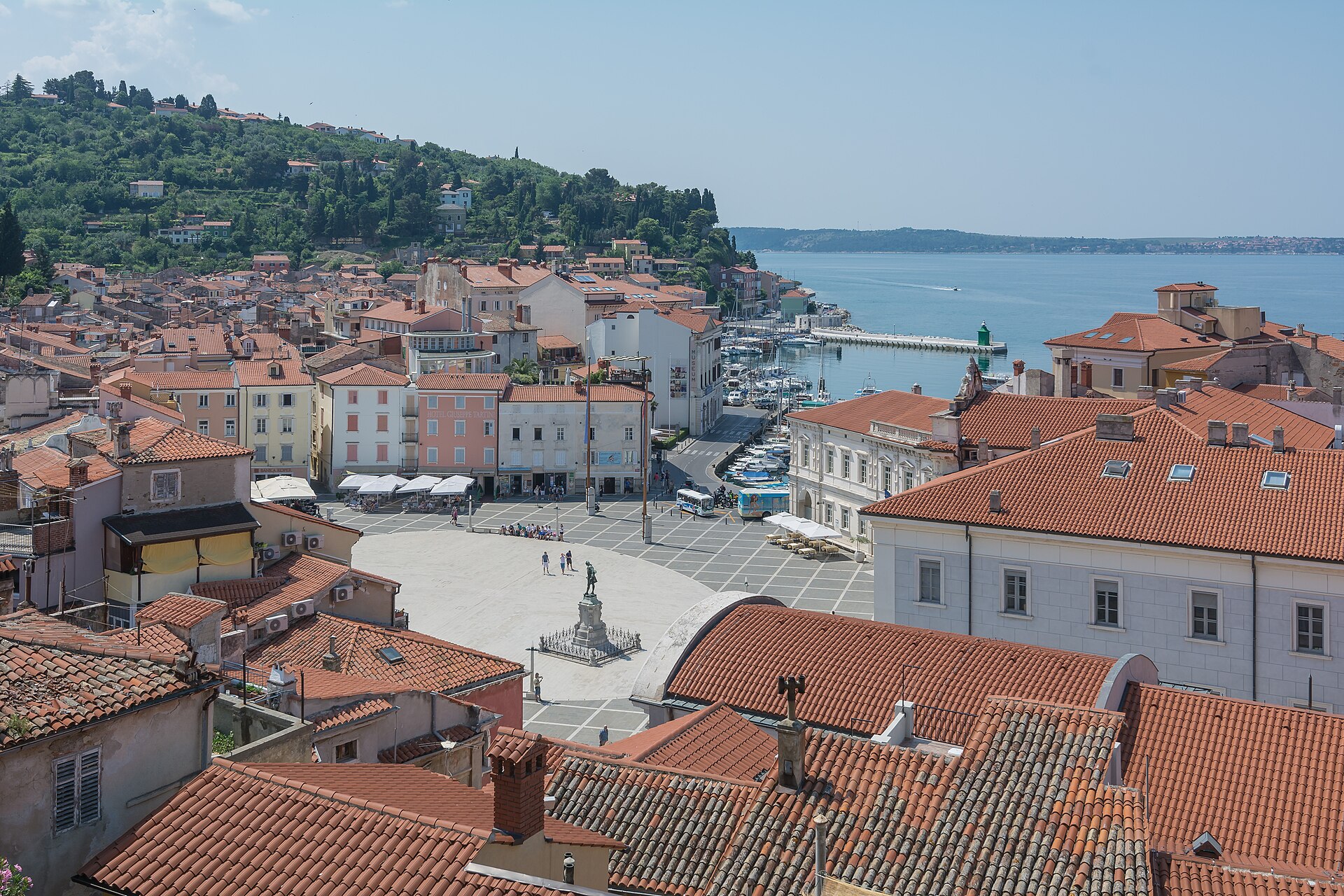
Is Piran worth visiting?
The honest answer, and what to do with it: how Piran compares to the rest of the Adriatic, whether one day is really enough, and the quiet season that may be the loveliest time of all to come.
Read →