8 July 2026 · 4 min read
Can you watch a potter at work in Piran?
Yes, at Nika Horjak Ceramics the wheel runs most days and watching is free and welcome. What you'll see, from wedging to kiln day, and why you don't need to book.
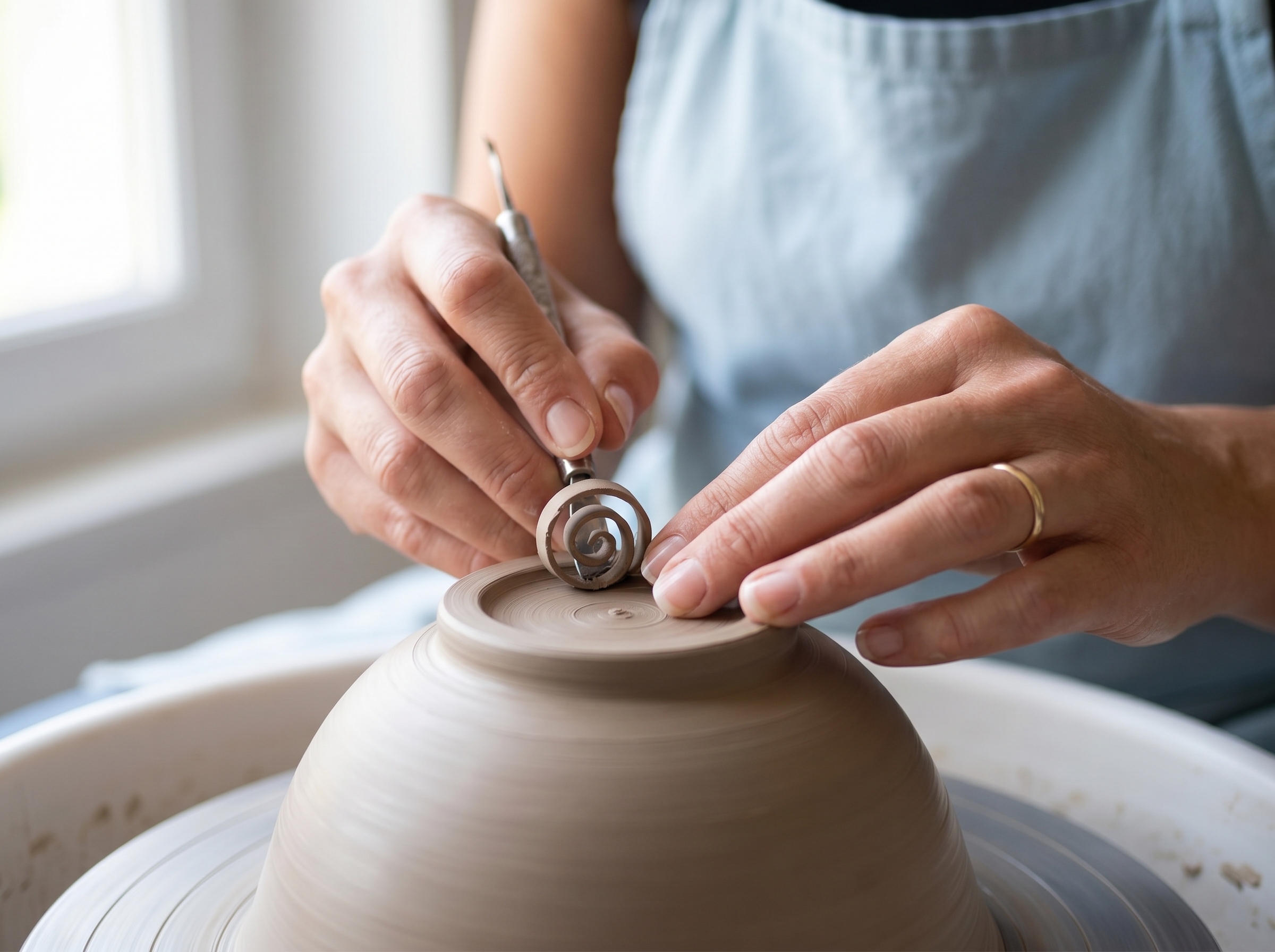
Yes. At Nika Horjak Ceramics, Goriška ulica 2 in old-town Piran, the wheel runs most days, and watching is free, welcome, and honestly half the reason people come in. You don't need to book anything: walk in, browse, and if the wheel is spinning, stay as long as you like.
What will you actually see?
Depending on the day, one of the stages every piece goes through on its roughly six-day journey from clay to shelf:
- Wedging: clay kneaded on canvas to push the air out, a technique that hasn't changed in two thousand years.
- Throwing: a lump of clay centered on the wheel and pulled up into a vase or reamer in minutes. This is the part people film.
- Hand-building: the fish platters and soap dishes are rolled, cut and sculpted at the bench, fins and all.
- Glazing: pieces dipped into one of ten glazes named for places around Piran.
- Kiln days: loading or unloading the small kiln that fires one batch at a time. Unloading day is the studio's version of a lottery draw.
Do you need to book, and does it cost anything?
No booking, no cost. This is a working shop, not a ticketed demonstration: the making happens because the shelves need filling, and visitors are welcome to stand and watch while it does. If you're coming to Piran specifically to see wheel work, write or call ahead and I'll tell you which days I'm throwing.
Can you ask questions while she works?
Please do. I speak Slovenian, English, German, Croatian and Italian with visitors, and questions are the best part of the day. What clay is this, why did that glaze come out speckled, how long does a piece take, all of it welcome.
Where is the studio, exactly?
Nika Horjak Ceramics is at Goriška ulica 2, a few steps up from the marina and a couple of minutes' walk from Tartini Square. Google Maps knows the name and walks you to the door. Everything you'll see being made is also in the online shop, from the citrus reamer people ask about most to the fish platters, shipped insured worldwide.
Curious what happens on the days you don't see? The full journey from wet clay to second firing is here: How a Piran fish platter is made.
Warmly, Nika
Studio · Piran · 8 July 2026
More from the studio
Sold out, down to the last fish
The online collection has sold out, so the website is switching from buying to free reservations for the next kiln batch. What that means, what you can still find on the shelves in the Piran shop, and how to put your name on the pieces you love.
Read →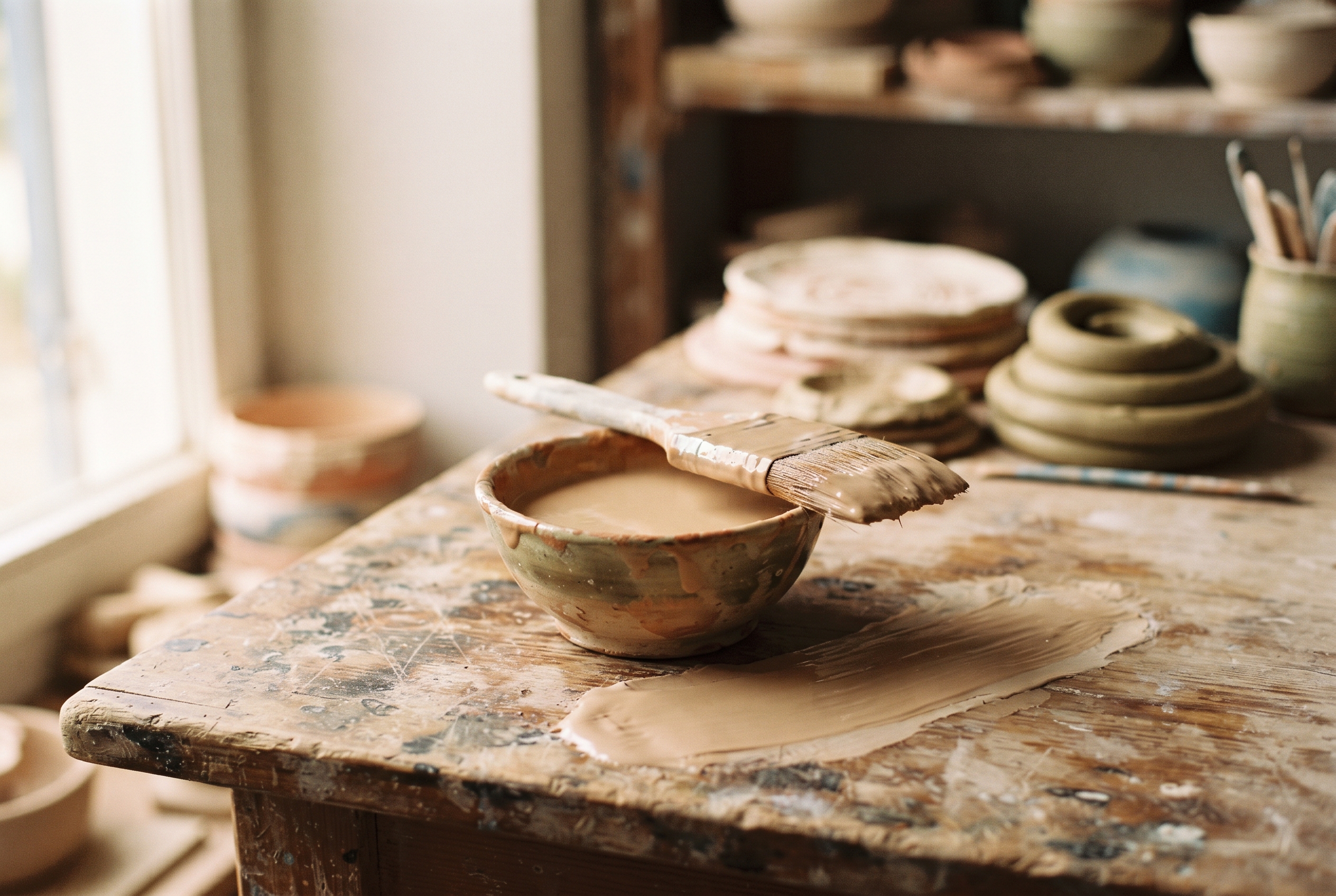
Does clay help with mosquito bites?
A mosquito, a bowl of the “glue” I use to join pieces of clay, and the real reason customers sometimes leave my shop with a smudge of clay on their arm. The pigs, it turns out, were right about mud all along.
Read →
Are there jellyfish in Piran, and do they sting?
Yes, in warm summers jellyfish drift into the bay: the big barrel, fried-egg and moon jellyfish are essentially harmless, the small mauve stinger is the one to watch. And the strange part, a jellyfish day is often the busiest day in the shop.
Read →