8 July 2026 · 5 min read
Where can you buy handmade ceramics in Piran?
At Nika Horjak Ceramics on Goriška ulica 2, a working studio a few steps from the marina, plus an honest guide to telling handmade pieces from imported souvenir ware.
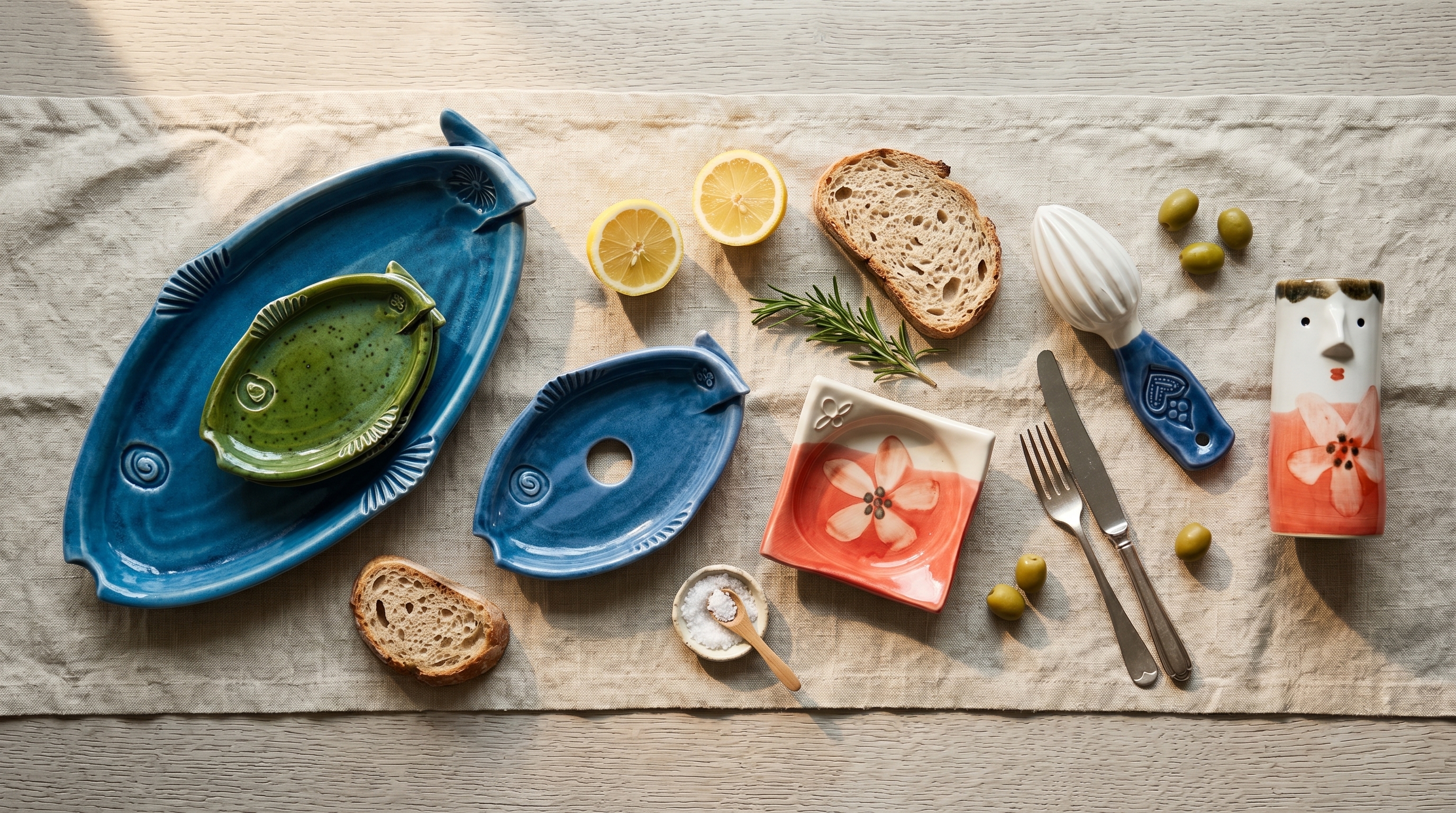
The short answer: at Nika Horjak Ceramics, Goriška ulica 2, a working studio and shop a few steps up from the marina, where every piece is thrown, glazed and fired on site. Piran's old town has a small handful of craft ateliers, and it also has plenty of imported souvenir stock. Here is how to tell the difference, and what you'll find behind my door.
How do you tell handmade ceramics from imported ones?
Anywhere you shop, in Piran or elsewhere, a few honest tells separate a handmade piece from a factory one:
- Look underneath. A handmade piece has trimming rings, a signed or stamped base, and small irregularities. Factory ware is perfectly uniform.
- Compare two "identical" pieces. If two plates match exactly in weight and rim, a machine made them. Handmade siblings are close, never identical.
- Ask who made it. The best answer in a real atelier is "I did." In my shop you can usually watch the next batch being made while you decide.
- Check the glaze. Hand-dipped glazes pool and break over edges with small variations; sprayed factory glazes are flat and even.
What does the comparison look like?
| What you're holding | Handmade in Piran | Imported souvenir ware |
|---|---|---|
| Surface | Fingerprints, throwing rings, slight wobble | Perfectly uniform, mold seams |
| Backstory | You can meet the maker and watch the wheel | No maker to meet |
| Price | From a few euros to about €100 | Cheaper, and worth exactly that |
| Years later | Still on your table, still from Piran | Indistinguishable from any coastal town's |
What will you find at Nika Horjak Ceramics?
Everything in the shop is made by me, at one wheel, fired in one small kiln, in ten glazes named for places around the town: Adriatic Cobalt, Olive Grove, Bell-Tower Gold and seven more. The signature piece is the hand-pointed Citrus Reamer; the Bay Fish Platter and the little Sardine Plates are what most people carry home. Small pieces start at a few euros; larger pieces and matched sets run up to about €100. Every piece takes shape over roughly six days of hand-touched steps between wedging and the second firing.
Where exactly is the shop, and can you just walk in?
Goriška ulica 2, old-town Piran: from Tartini Square walk toward the marina, and the shop is a few steps up from the water, a couple of minutes on foot. Walk-ins are the whole point, no booking needed. Google Maps knows "Nika Horjak Ceramics" and takes you to the door. I speak Slovenian, English, German, Croatian and Italian, so ask anything.
If your suitcase is already full, everything ships from Piran the same week, insured and double-boxed, through the online shop. And if you want to know what to pick, start with What is the best souvenir from Piran?
Warmly, Nika
Studio · Piran · 8 July 2026
More from the studio
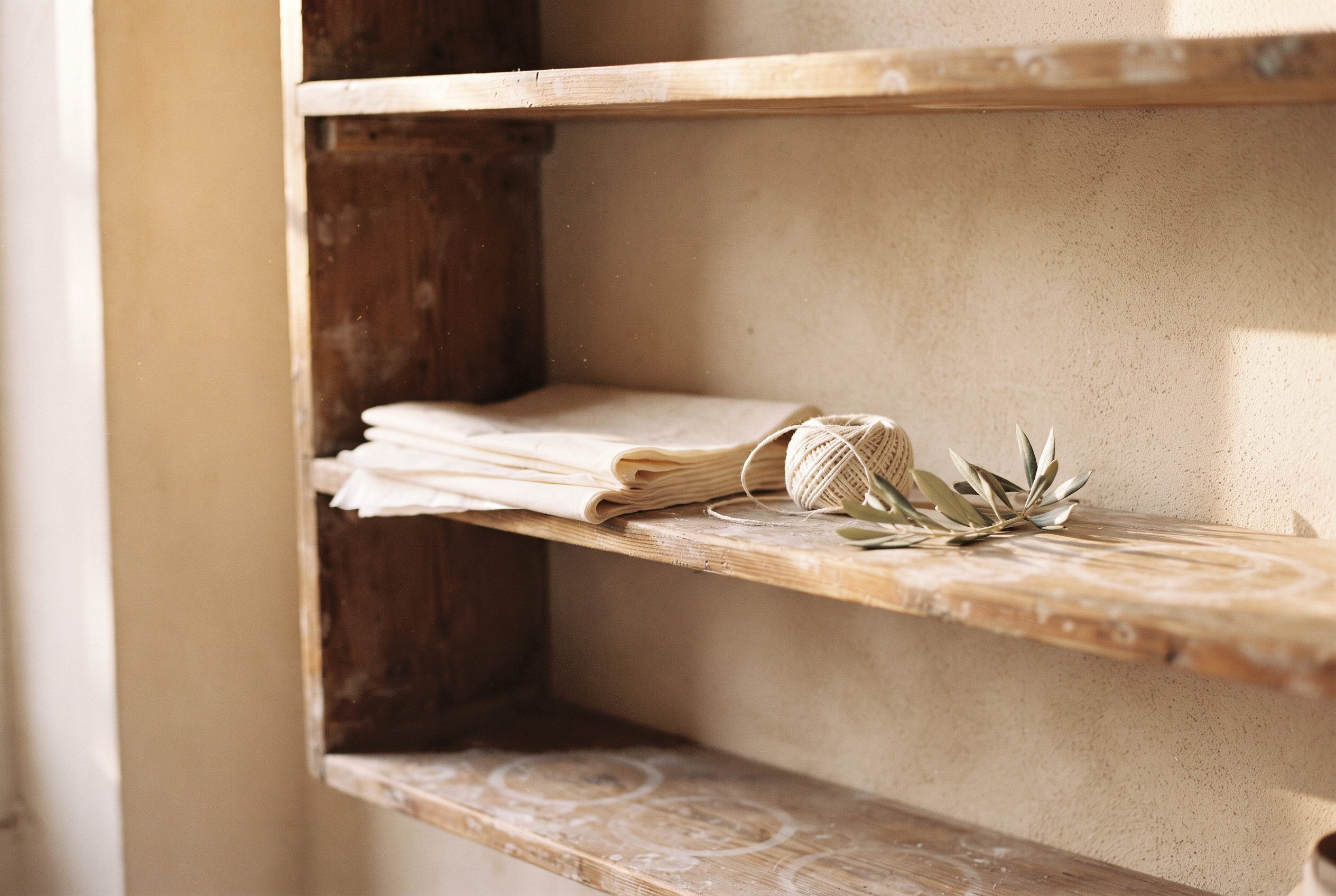
Sold out, down to the last fish
The online collection has sold out, so the website is switching from buying to free reservations for the next kiln batch. What that means, what you can still find on the shelves in the Piran shop, and how to put your name on the pieces you love.
Read →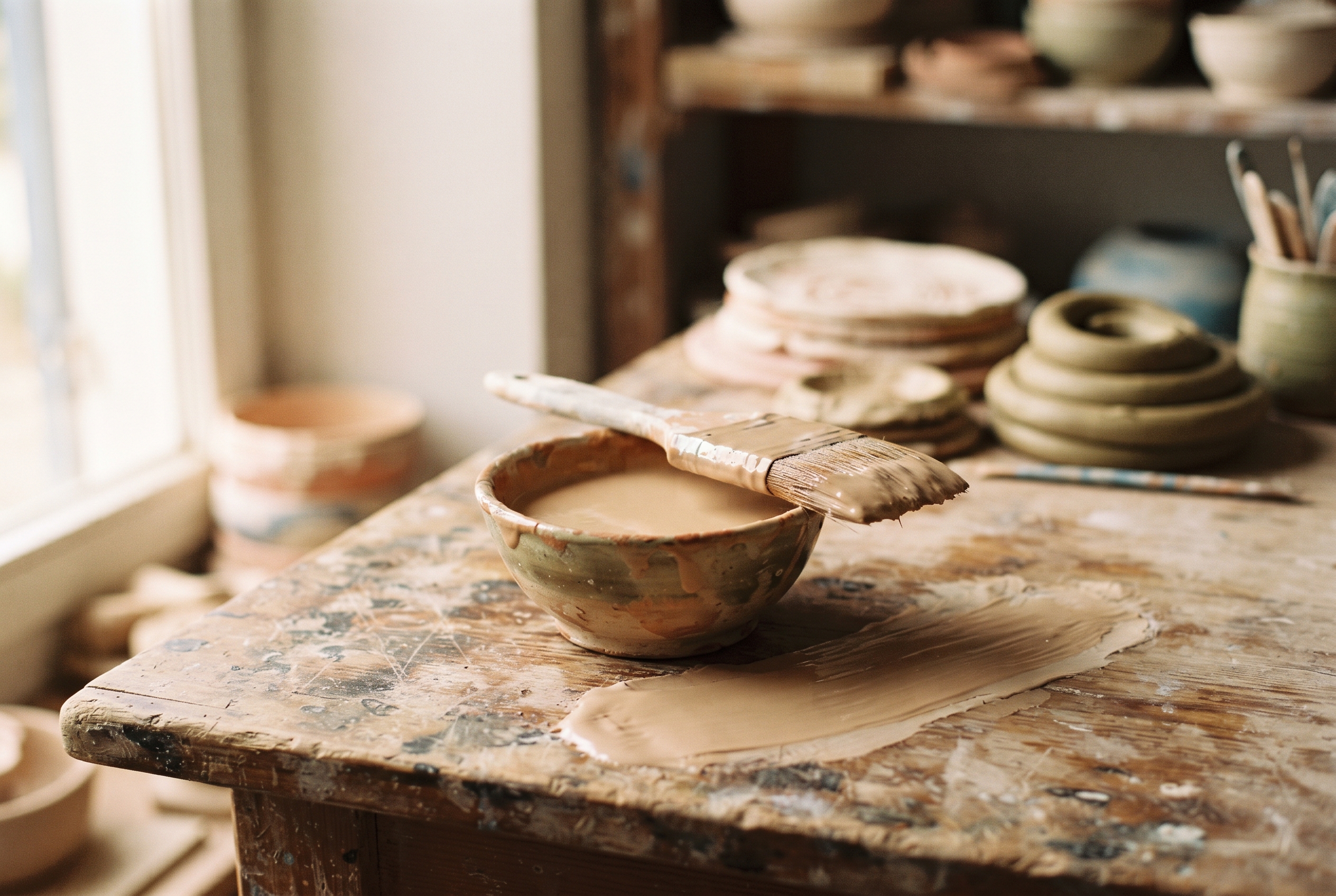
Does clay help with mosquito bites?
A mosquito, a bowl of the “glue” I use to join pieces of clay, and the real reason customers sometimes leave my shop with a smudge of clay on their arm. The pigs, it turns out, were right about mud all along.
Read →
Are there jellyfish in Piran, and do they sting?
Yes, in warm summers jellyfish drift into the bay: the big barrel, fried-egg and moon jellyfish are essentially harmless, the small mauve stinger is the one to watch. And the strange part, a jellyfish day is often the busiest day in the shop.
Read →